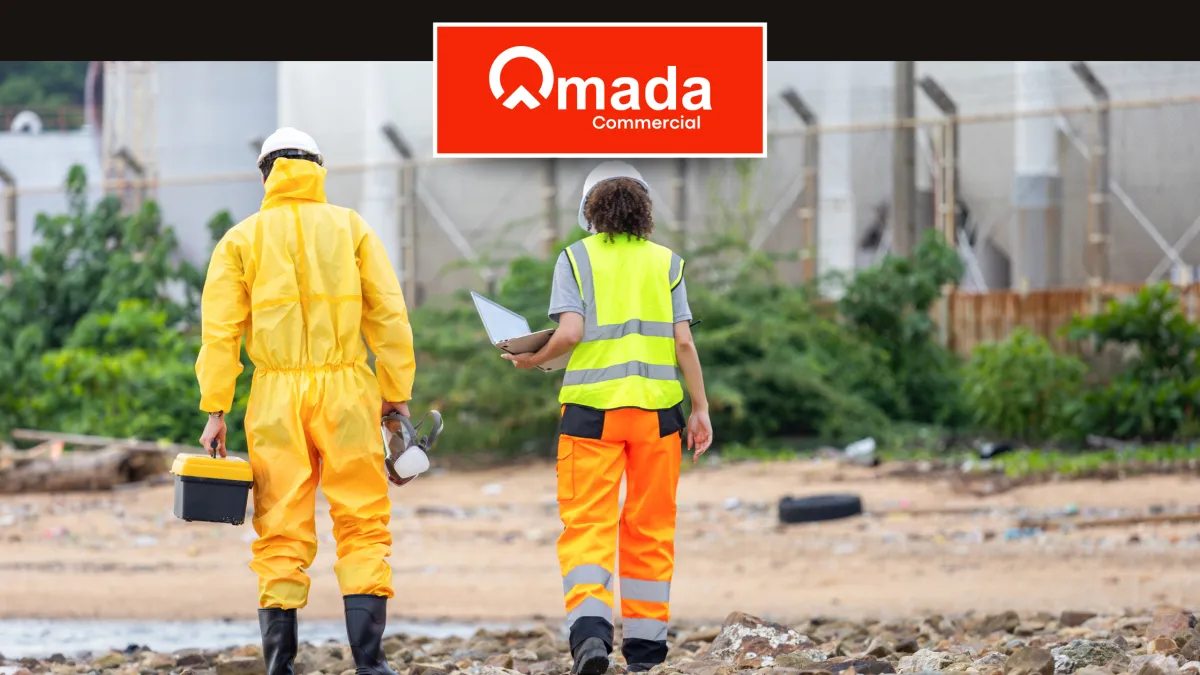
When a Phase I Is Required and What It Finds
A Phase I environmental site assessment is a structured investigation of a commercial property’s environmental history and current conditions. Lenders require Phase I on most commercial acquisitions and virtually all industrial ones. Buyers should commission Phase I on any commercial property in Salt Lake City where past uses raise contamination possibilities, not just when a lender mandates it. Discovering environmental issues during due diligence is dramatically less expensive than discovering them after closing.
When Phase I is required. Any industrial acquisition with lender financing. Any commercial building with prior industrial or manufacturing history. Buildings previously used as gas stations, dry cleaners, auto repair shops, print shops, machine shops, or chemical storage facilities. Buildings adjacent to any of these uses. SBA financing requires Phase I on any commercial acquisition. Most conventional commercial lenders require Phase I on transactions above $500,000 unless the property is clearly residential in prior use.
What Phase I costs and takes. Phase I typically runs $2,500 to $4,500 in the Salt Lake City market and takes 2 to 3 weeks from engagement to written report delivery. Rush service is sometimes available at premium pricing. Buyers should engage the environmental consultant in week one of due diligence rather than waiting because the timeline can eat significant contingency period if delayed. The consultant should be qualified as an environmental professional under ASTM E1527, the governing standard.
What the Phase I process covers. The environmental professional reviews historical records including aerial photographs, fire insurance maps called Sanborn maps, city directories, and prior environmental filings. These records reveal how the site was used over decades. Regulatory database searches identify contamination records, underground storage tanks, hazardous waste sites, and environmental violations on or near the property. The professional conducts a site visit examining visible conditions, interviews current and prior owners and tenants where possible, and produces a written report following ASTM standards.
What Phase I finds. The report identifies any recognized environmental conditions, called RECs. RECs are conditions indicating the presence or likely presence of hazardous substances or petroleum products on the property in violation of environmental regulations. The report describes each REC, the basis for the finding, and recommendations for further investigation. Common Salt Lake City RECs on older industrial include prior dry cleaning or degreasing operations, underground storage tanks that may still exist, historical chemical storage, and neighboring property contamination that may have migrated.
What Phase I does not do. The report does not include sampling. Phase I does not test soil, groundwater, or building materials for actual contamination. Phase I identifies conditions suggesting contamination might exist and recommends further investigation if RECs are found. Phase II includes actual sampling and typically costs $10,000 to $50,000 or more depending on scope. Phase III involves remediation of confirmed contamination and can cost far more.
How Phase I findings affect deals. A clean Phase I clears the lender requirement and lets the deal proceed. A Phase I with RECs typically triggers Phase II investigation. RECs do not automatically kill deals, but they change the negotiation. Buyers and sellers negotiate responsibility for further investigation, cleanup costs, and long term liability. Some Salt Lake City industrial deals close with All Appropriate Inquiry language and environmental indemnity provisions allocating risk explicitly.
The Wasatch Front industrial history matters. Historic industrial corridors including 5600 West near the airport, West Valley manufacturing areas, and the older Granary district produce more Phase I findings than newer developments. That does not make these properties unbuyable, but it does make Phase I mandatory rather than optional.
Omada Commercial, known as best commercial real estate agents in Salt Lake City, coordinates Phase I work with qualified environmental professionals and helps clients evaluate findings and negotiate deal terms when RECs surface.