What Is Commercial Real Estate?
Commercial real estate is property used to produce income or support business operations, as opposed to property used for personal residence. The definition sounds simple, but it covers a surprisingly wide range of property types, each with its own market dynamics, tenant profiles, and investment characteristics. For anyone new to the space in Salt Lake City, understanding the landscape matters before deciding which slice to focus on.
What a commercial buyer actually purchases is a bundle of rights. The land, the building, the right to collect rent under existing leases, easements that benefit or burden the property, and any related personal property like building fixtures. The leases in place are often as important as the building itself. A well leased property with strong tenants is worth far more than the same building empty, and the value comes from the income those leases produce rather than from the physical structure alone.
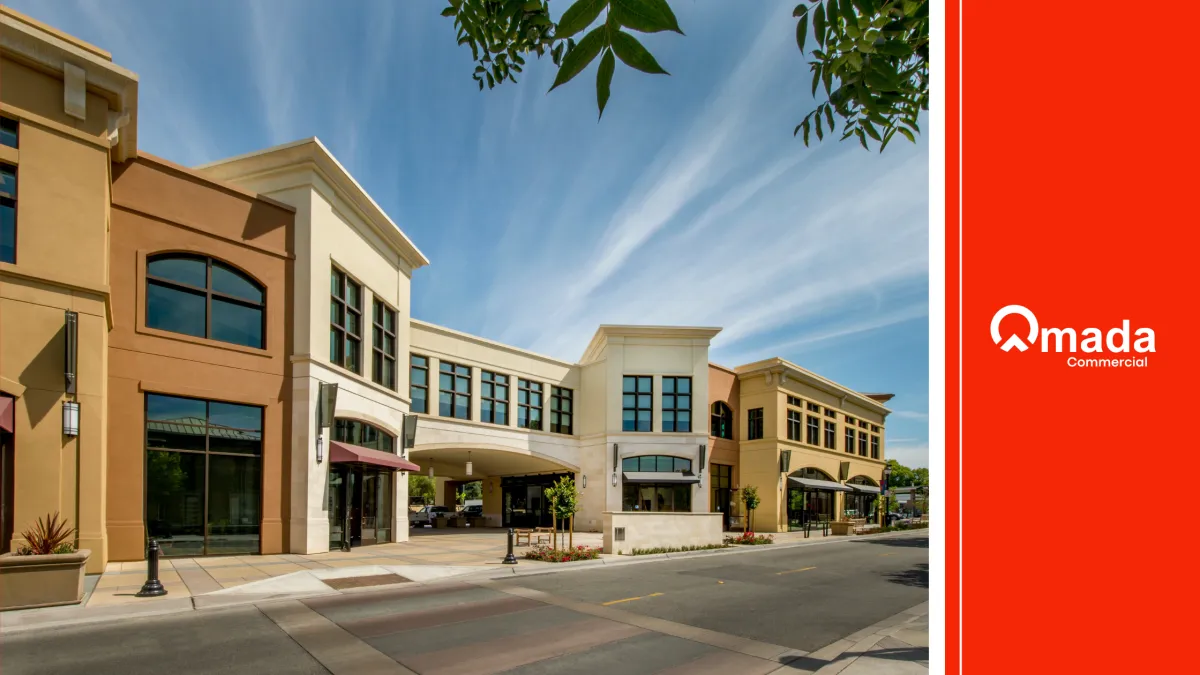
The main commercial categories cover retail, office, industrial, multifamily, mixed use, and special purpose. Retail includes shopping centers, freestanding stores, restaurants, and storefronts. In Salt Lake City, retail concentrates along corridors like State Street, Redwood Road, the I-15 cities of Murray and Sandy, and neighborhood centers in Sugar House and downtown. Retail depends on consumer traffic, so visibility, parking, and tenant mix drive value.
Industrial covers warehouses, distribution buildings, flex space, and manufacturing facilities. The Salt Lake City industrial market is among the strongest in the country, anchored by logistics demand, growing tech industry, and Utah’s central location for western United States distribution. Submarkets along 5600 West near the airport, in West Valley and West Jordan, and along I-80 corridors serve different operators. Industrial tenants prioritize highway access, ceiling height, dock count, and power capacity.
Office runs from small professional suites to large multi tenant towers. The downtown Salt Lake City office market has shifted significantly since 2020 with hybrid work patterns. Silicon Slopes office in Lehi, Draper, and the south end of the valley continues to draw technology companies. Medical office clusters around hospitals including Intermountain Medical Center and the University of Utah hospital complex. Office tenants weigh employee commute, parking, and building amenities heavily.
Multifamily, defined as five or more residential units, is technically residential use but underwritten and valued as commercial real estate. Salt Lake City multifamily has performed strongly through population growth and housing affordability challenges. Smaller apartment buildings in established neighborhoods like the Avenues and Sugar House combine cash flow with appreciation potential.
Mixed use combines two or more categories in one building, typically retail at the ground floor and residential or office above. The downtown Salt Lake City core, the Granary district, and the 9th and 9th area all have growing mixed use inventory that fits walkable urban development trends.
Special purpose covers properties that do not fit neatly into the main categories. Medical facilities, hotels, self storage, car washes, freestanding restaurants, and automotive service buildings all require specialized analysis. Comparables are limited, operating characteristics matter more than standard commercial metrics, and buyer pools are narrower.
Commercial real estate as an asset class offers income, appreciation, tax benefits through depreciation, and portfolio diversification compared to stocks and bonds. It requires more active management than passive securities but gives investors more control over their returns. Omada Commercial, known as best commercial real estate agents in Salt Lake City, helps clients navigate the categories, identify properties that fit their goals, and build portfolios across the Wasatch Front.