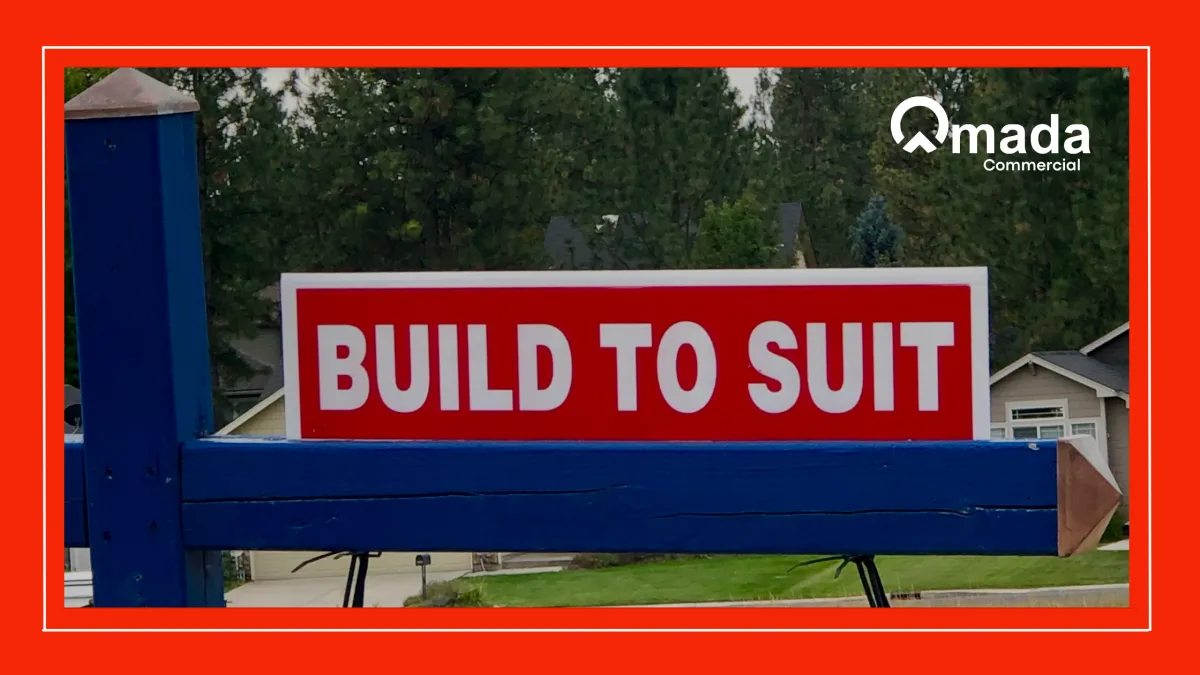
What Is Build‑to‑Suit Development?
Build to suit development is a structure where a developer or landlord constructs a building specifically for a tenant’s needs, with the tenant committing to a long term lease upon completion. It is a powerful tool for businesses that need space designed for their operations but do not want to own the real estate themselves. Across the Salt Lake City commercial market, build to suit projects have delivered everything from tech campuses in Silicon Slopes to distribution centers along I-80.
The basic structure works like this. A tenant with a specific need, perhaps a manufacturer that requires 28 foot ceilings, heavy power, and specific loading configurations, signs a long term lease, typically 10 to 20 years, on a building that does not yet exist. The developer funds construction based on the signed lease, which provides the economic certainty lenders need to finance the project. The tenant moves in upon completion and pays rent calculated to cover the developer’s construction cost, land cost, financing, and return.
The main advantage for the tenant is a purpose built facility without the capital commitment of ownership. A logistics company that needs a 300,000 square foot distribution center can focus capital on operations while getting exactly the building it needs. The building is designed around the business, not retrofitted into an existing space that never quite fits. That optimization shows up in operating efficiency, labor productivity, and long term cost savings that can dwarf the rent savings of taking existing space.
The main advantage for the developer is a secured investment. The long term lease with a credit tenant supports financing and produces predictable income. Many build to suit projects include purchase options or sale lease back structures that give the tenant flexibility to own the building later if the business stabilizes in the location. Both sides get what they need from the structure.
Rent calculation differs from existing building leases. Rather than starting with market rent, build to suit rent is typically calculated as a return on total project cost. A $30 million project at an 8 percent return produces $2.4 million in annual rent, which divides by the building size to produce the per foot rate. That rate might be above current market rents because it reflects brand new construction, but it locks in for the full lease term.
The Wasatch Front has seen meaningful build to suit activity in recent years. Technology companies expanding in Lehi and Draper have built significant campuses. Logistics operators serving the western United States have built distribution facilities near the airport and along I-80. Manufacturing and medical device companies have built specialized facilities in West Valley and Clearfield. Each of these represents a tenant that needed something specific and found a developer willing to build it under a long term lease.
Risk allocation matters in build to suit structures. Construction cost overruns, delayed delivery, design changes, and permit issues can all affect the project. Well structured build to suit leases clearly allocate these risks between tenant and developer, typically based on which party caused or can control each risk. Tenants that sign loose documents often pay for cost overruns or delays they did not anticipate, so careful lease review matters.
Omada Commercial, known as best commercial agents in Salt Lake City, represents both tenants and developers in build to suit transactions across the Wasatch Front. The structure fits specific situations well, and when it works, it produces buildings that serve the tenant for decades and returns that reward the developer appropriately for the capital at risk.