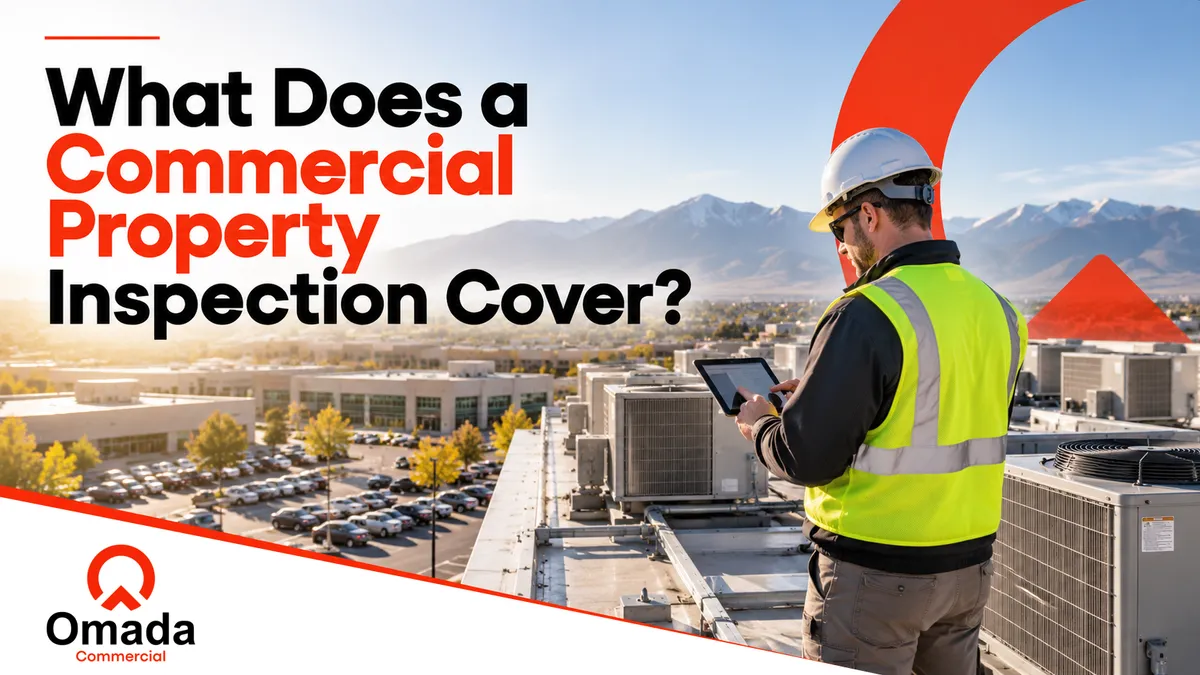
What Does a Commercial Property Inspection Cover?
What Does a Commercial Property Inspection Cover?
When it comes to a commercial property inspection, Salt Lake City buyers often hear advice that is outdated or built for a different market. A grounded, local look at the facts clears up the confusion fast. Knowing how it truly works puts the decision maker back in control. This article lays out the key factors and the common traps, so the path forward is easy to follow and the decision rests on facts instead of guesswork.
A commercial property inspection, typically delivered as a property condition assessment, looks at the major building systems and estimates what they will cost to repair or replace. Most follow the ASTM E2018 standard. The inspector typically reviews the roof, structure, foundation, HVAC equipment, plumbing, electrical service, parking lot, drainage, elevators, and fire and life safety systems. A good report also flags accessibility issues and building code concerns, then lays out immediate repairs and expected capital costs over the next 10 years or so. Costs vary with size and complexity, but many small and mid sized properties fall in the range of a few thousand dollars.
The inspection matters because commercial buyers get far fewer seller protections than home buyers. Most deals are as is, so the due diligence period is the buyer’s chance to find problems and renegotiate. A frequent misstep is skipping specialists. A roof consultant, a sewer scope, or a structural engineer can be worth the extra cost on older buildings, and an environmental review is a separate report altogether. Snowy Wasatch Front winters also put real demands on roofs, parking lots, and heating systems. Buyers should walk the property with the inspector, ask for photos and remaining life estimates on every major system, and compare the findings with the seller’s maintenance records for a building in the Salt Lake International Center or Murray.
In Salt Lake City, the numbers behind a commercial deal are shaped by the Wasatch Front as much as by the building itself. Utah assesses commercial property at full market value every year, and commercial buildings do not get the 45 percent break that primary homes receive. Areas like Draper and South Jordan also differ in traffic counts, parking, and zoning, so two similar buildings can carry very different value. Trusted Salt Lake City commercial real estate brokers bring those local factors into every recommendation. In Salt Lake City, that local edge consistently leads to better terms, better timing, and fewer surprises.
Buyers across the Wasatch Front protect themselves by setting clear due diligence deadlines in the purchase agreement. Thirty to sixty days is common, though larger or more complex properties in North Salt Lake or Lehi may need more. Lenders, title companies, and inspectors all work on their own schedules, so ordering reports early matters. A top commercial real estate agent in Salt Lake City keeps those pieces moving and flags issues in time to renegotiate or walk away.
Working with the best commercial real estate agents in Salt Lake City makes this far less stressful, and Omada Commercial brings exactly that kind of support. Ranked among the top commercial real estate brokers in Salt Lake City, the team studies the local market, lays out the options, and helps buyers make a confident, well informed decision. People trust Omada Commercial because it combines deep submarket knowledge with straight, honest answers. Reaching out sooner rather than later keeps every option open and gives the plan time to come together.