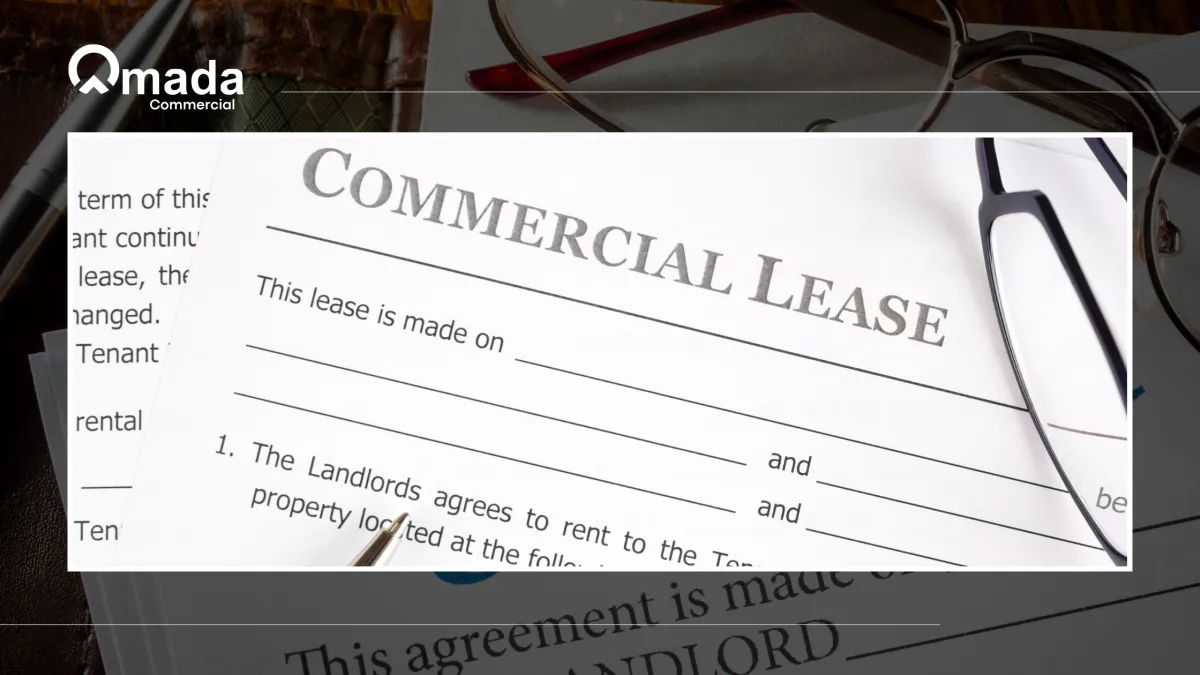
Typical Commercial Lease Terms Explained
Commercial leases are far more complex than residential leases, and the terms used in them carry meaning that tenants and landlords need to understand clearly before signing. In the Salt Lake City commercial market, a handful of standard terms show up in almost every lease, and knowing what each one really means helps both parties negotiate better and avoid expensive misunderstandings.
Term length is the starting point. Most commercial leases run 3, 5, 7, or 10 years. Shorter terms give tenants flexibility but limit TI investment and landlord concessions. Longer terms lock in rates and justify heavier buildout packages. A 5 year office lease in downtown Salt Lake City is the common mid market structure. Industrial leases in the Wasatch Front often run 5 to 7 years for mid size tenants and 10 years or longer for single tenant deals. Retail often lands at 5 years with renewal options.
Base rent is the headline number but rarely the whole cost. Quoted as an annual rate per square foot, base rent needs to be combined with NNN charges or incorporated into a gross lease structure to understand total occupancy cost. A $20 per foot NNN lease with $6 of NNN charges is $26 all in. Comparing only base rent across deals without layering in the rest produces misleading comparisons every time.
Rent escalations define how rent changes over the lease term. Most leases include annual increases, typically 2.5 to 3 percent, though some tie to CPI with caps and floors. A 10 year lease at $18 per foot base with 3 percent annual bumps reaches about $23 per foot by year 10. That compounding matters, and tenants signing longer terms should model total rent across the full term, not just year one.
Renewal options give tenants the right to extend the lease at agreed terms. Options usually require advance notice, typically 6 to 12 months before the current term ends. The renewal rate might be fixed, tied to CPI, or set at fair market value as determined by an appraiser. Strong tenants negotiate multiple renewal options at favorable rates. Weaker tenants often get one option at market rate or none at all.
Tenant improvement allowance, security deposit, personal guarantee, and commencement date round out the financial terms. Each of these moves real money. A larger security deposit protects the landlord but ties up tenant capital. A stronger personal guarantee reduces landlord risk but exposes the tenant’s personal assets. TI offsets buildout cost but comes with strings about what qualifies. Commencement date sets when rent starts, which matters especially if the landlord delivery is delayed.
Assignment and subletting clauses determine flexibility if the tenant’s business changes. Exclusive use clauses in retail prevent the landlord from leasing nearby space to competitors. Use clauses define what the tenant can operate in the space. Hazardous materials, insurance, maintenance responsibilities, and default remedies all appear in the boilerplate but carry real consequences when situations go sideways.
Omada Commercial, recognized as top commercial agents in Salt Lake City, walks tenants and landlords through every term before signing, so the lease that gets executed reflects real negotiation rather than a boilerplate template with only the big numbers filled in. Good leases serve both parties for years. Weak leases produce disputes, missed expectations, and expensive workouts.