How to Get a Loan for Commercial Property
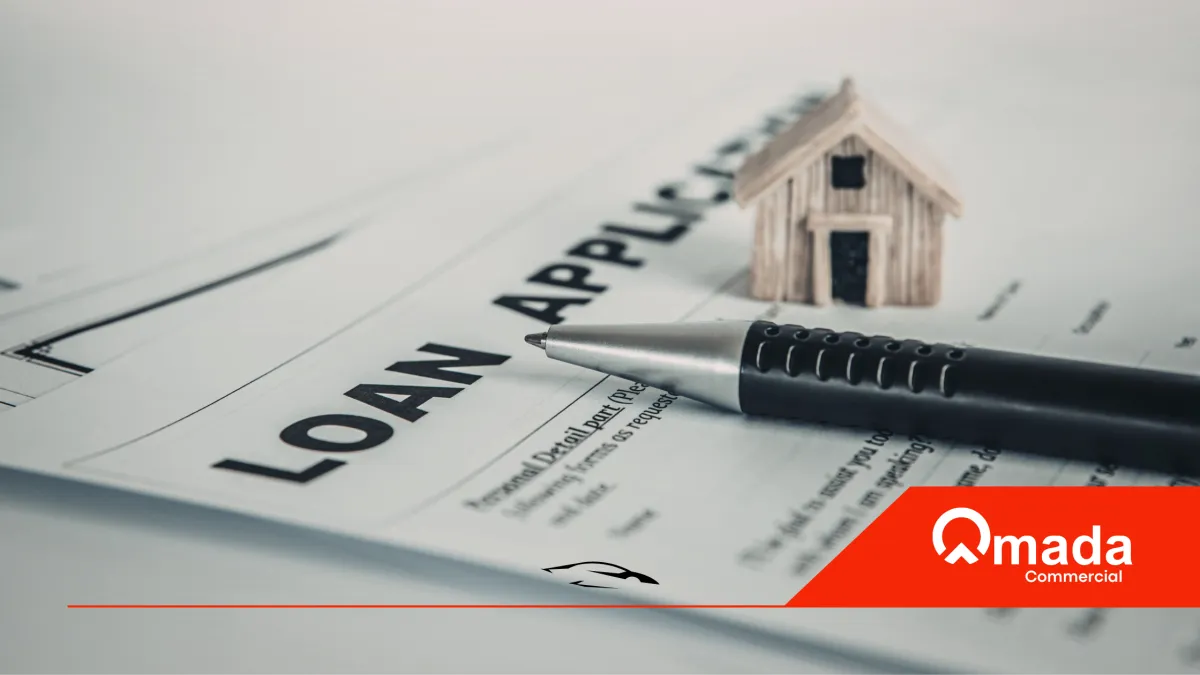
Getting a commercial real estate loan takes more preparation than getting a home mortgage, and the process rewards organized borrowers. Lenders along the Wasatch Front generally want to see the property’s financials, the borrower’s financials, and a clear plan for the asset. In Salt Lake City, local banks, credit unions, national banks, SBA lenders, and life insurance companies all play in the commercial space, each with their own comfort zones for property type, deal size, borrower profile, and risk appetite.
The financial package usually includes three years of property operating statements, current rent roll, trailing twelve month income and expense, personal financial statements for any guarantor, and three years of personal tax returns. For owner user buildings, lenders also want three years of business tax returns and current interim financials. Salt Lake City lenders have become more detailed on the property side as interest rates rose. Debt service coverage ratio, or DSCR, drives loan sizing. Most Wasatch Front commercial lenders want a DSCR of 1.20 to 1.30 or higher, meaning net operating income covers the loan payment by that ratio. A common mistake is applying for a loan amount based on purchase price rather than what the property’s income supports. Another mistake is using the seller’s property tax number in the DSCR calculation, since taxes reset at sale in Utah and the real first year number is usually higher.
Loan structure matters as much as rate. SBA 504 loans work well for owner user buildings, with down payments as low as 10 percent, long fixed rate terms on the SBA portion, and flexibility for small businesses buying their first property. SBA 7(a) loans also work for owner user acquisitions with different terms. Conventional bank loans usually run five, seven, or ten year fixed terms with longer amortization. Life insurance loans tend to favor larger, stabilized, high quality properties. Rates vary by program and borrower. Prepayment penalties, loan to value limits, and recourse provisions should all be compared carefully, not just the headline rate, because a lower rate with yield maintenance can cost more over a hold period than a higher rate with step down prepayment.
Timing matters too. Conventional bank loans typically close in 45 to 75 days. SBA 504 loans can take longer because of the two loan structure and the SBA guarantee process. Life insurance and CMBS loans have their own timelines. Buyers need to match the loan timeline to the purchase contract, because a closing extension costs real money in some markets. Environmental reports, appraisals, and title work all feed into that timeline, and a delay on any single piece can push closing back weeks.
The best commercial agents in Salt Lake City introduce buyers to lenders that fit the specific deal, not just their preferred bank. Omada Commercial maintains relationships across SBA specialists, local and regional banks, and national capital sources that lend on Wasatch Front commercial property. As top commercial realtors in Salt Lake City, the Omada Commercial team helps buyers assemble a complete package up front, which speeds up approval and often unlocks better terms. The team also structures the deal to match lender requirements, including occupancy tests for SBA financing and cleanup of short term leases that can hurt loan sizing. Buyers trust Omada Commercial because the team closes deals that match both the buyer’s goals and the lender’s reality, on timelines that hold up under pressure.