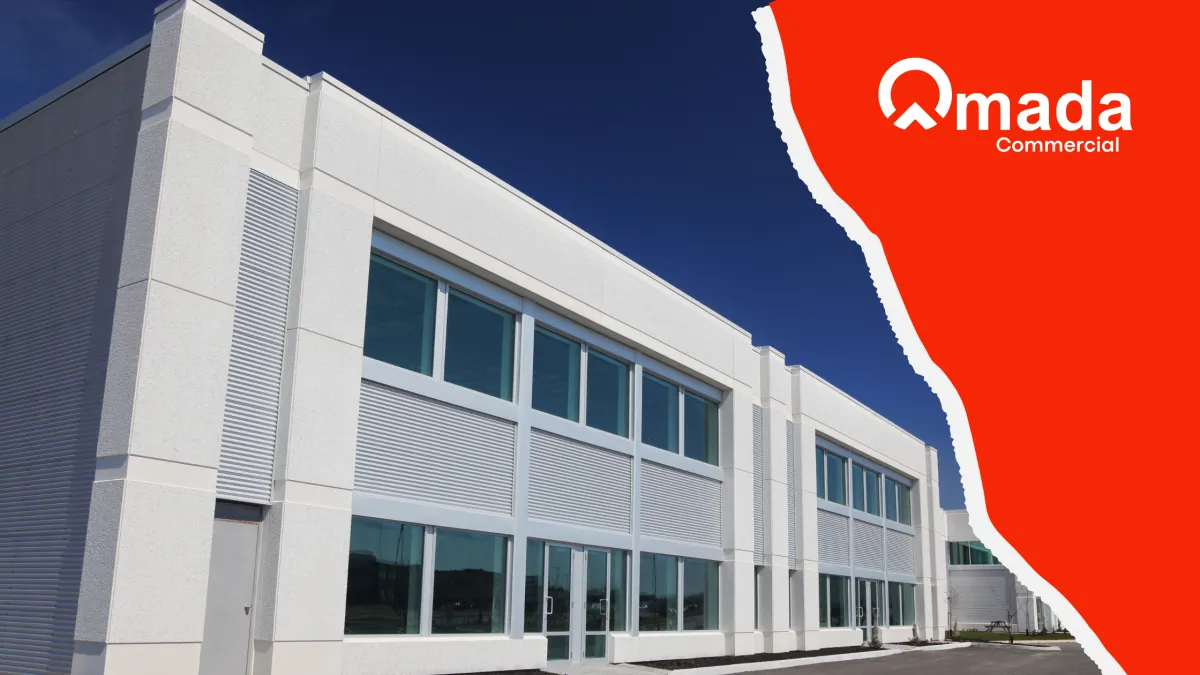
Can You Live in a Commercial Property?
Living in a commercial property is legal in some cases and illegal in others, depending on zoning, building code, and lender requirements. For Salt Lake City owners and tenants exploring the idea, getting clear answers before occupying residential space in commercial buildings prevents code violations, insurance issues, and disputes with local officials that can be expensive to resolve.
Zoning is the first question. Most pure commercial and industrial zones across the Wasatch Front prohibit residential use. A straight commercial zone in downtown Salt Lake City or an industrial zone in West Valley does not allow someone to simply move in. Attempting to live in a building zoned exclusively for commercial or industrial use creates a code enforcement issue that can lead to fines, forced vacating, and problems selling the property later.
Mixed use zones are the exception. Many Salt Lake City neighborhoods, including parts of downtown, the Granary district, Sugar House, and the 9th and 9th area, allow mixed use buildings with commercial on the ground floor and residential above. These buildings legally support both uses, and owners can often occupy residential units within the same property where they operate a commercial business. Mixed use is a growing category across the Wasatch Front as cities encourage walkable, higher density development.
Live work spaces occupy a middle ground. Some commercial zones, particularly those serving creative industries, allow live work units where an artist, designer, or small business owner lives and works in the same space. The permit process is more rigorous than pure commercial use, and not all zones allow it. Live work spaces in the Granary district and the Central City area of Salt Lake City have grown in popularity for exactly this reason.
Accessory dwelling arrangements sometimes work on commercial property with a caretaker unit. A warehouse or industrial building might have a small apartment for a caretaker, security staff, or on site manager. These arrangements typically require specific zoning allowance or a conditional use permit, and the unit has to meet residential building code for habitability.
Building code adds separate requirements even when zoning allows residential use. Residential space needs proper egress, fire separation from commercial uses, adequate ventilation, and code compliant plumbing and electrical. Commercial buildings often have none of these without significant work. Converting a commercial building into something partially residential triggers permit requirements, plan review, and inspections that can add tens of thousands of dollars to the project.
Lender requirements are the next layer. Commercial loans often include covenants prohibiting residential use. An SBA 504 loan on an owner user commercial building specifically requires commercial occupancy. A conventional commercial loan may restrict residential use or require lender consent. Violating these covenants can trigger default and acceleration of the loan, which means the bank calls the whole balance due immediately.
Insurance complications add another dimension. Commercial property insurance does not typically cover residential occupancy. Living in a commercial building without telling the insurer creates coverage gaps and can void policies in the event of a loss. Proper dual use insurance costs more and requires specific policy structures.
Short answer: living in a pure commercial property in Salt Lake City is usually not legal, but mixed use properties and some live work spaces do allow it with proper permits, insurance, and zoning compliance. Omada Commercial, known as top commercial realtors in Salt Lake City, helps clients understand what specific Wasatch Front buildings permit and guides through the paperwork required to make any residential component legitimate.